

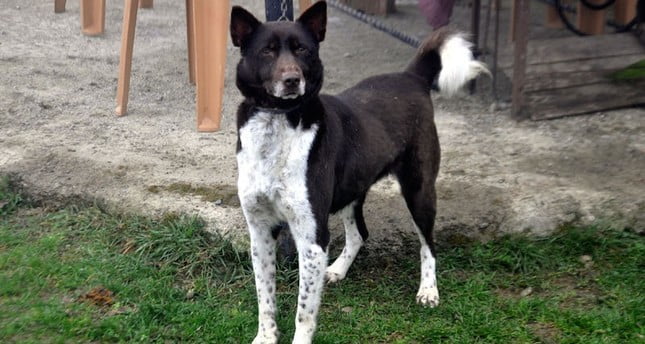
People usually start looking up the Zerdava after seeing a photo of a compact, spitz-like dog from Turkey and wondering if it is a village dog, a recognised breed, or simply a local type with a few names. The confusion makes sense. In the Black Sea region, dogs are often described by what they do (hunt, guard, keep pests away) rather than by neat kennel club labels.
It also helps to set aside a common assumption: that a “rare” breed must be delicate, highly specialised, or hard to live with. In practice, many landrace and regional working dogs are the opposite. They tend to be tough, practical, and shaped by daily life, although that same practicality can come with strong instincts that do not automatically fit a suburban routine.
The Zerdava sits right in that space. It is typically described as a hardy hunting and guard dog from the eastern Black Sea area of Turkey and neighbouring Georgia, with a reputation for working in challenging terrain and weather.1
Quick overview: what people mean by “Zerdava”
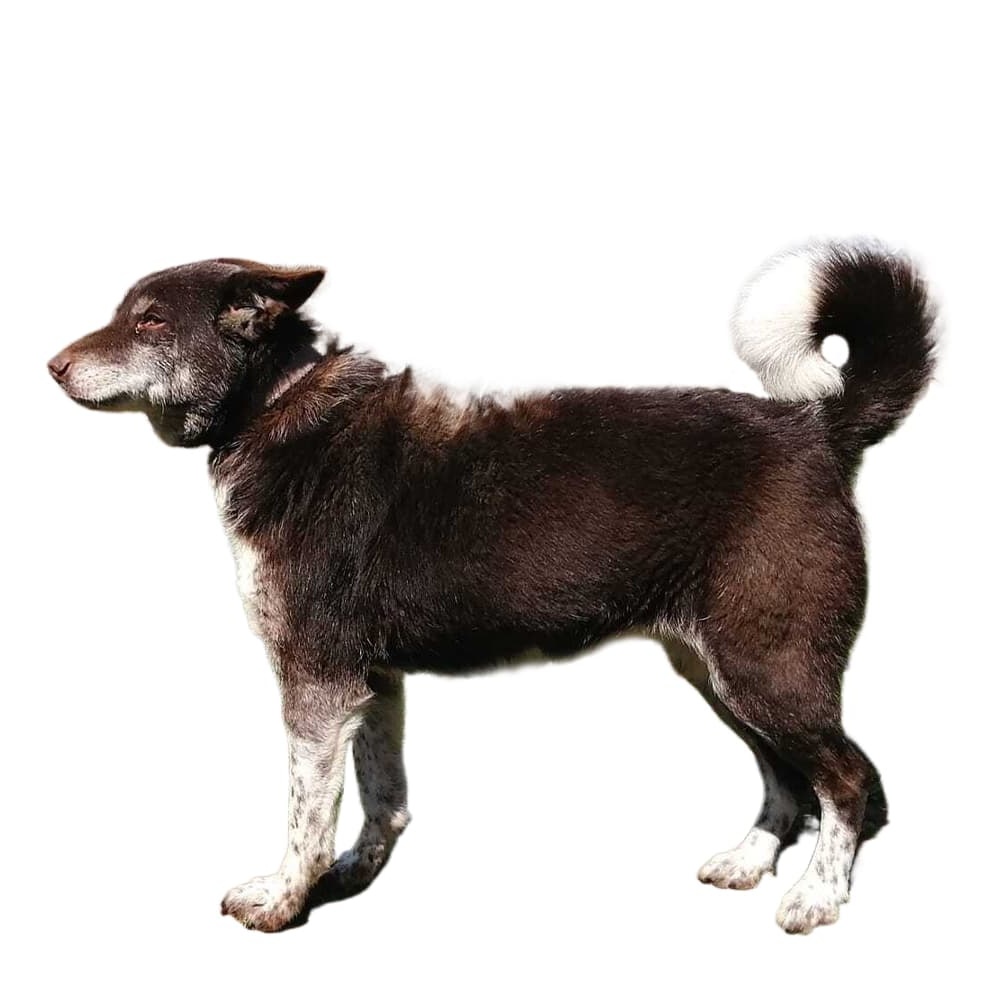
Most sources describe the Zerdava as a regional, spitz-type (often grouped with laika-style dogs) associated with the Black Sea region. You may also see alternate names such as Kapi Kopegi or “Black Sea Spitz”, which adds to the sense that you are looking at a local working dog tradition rather than a globally standardised show breed.1
Traditionally, these dogs have been used for guarding and hunting, including wild boar hunting in some accounts. That working background matters because it influences typical behaviour traits such as alertness, persistence, and a tendency to scan the environment rather than automatically relax in busy public spaces.1, 2
- Type: regional working dog (spitz or laika-type descriptions are common)1
- Region: Black Sea area of Turkey and parts of Georgia1
- Historic work: hunting and guarding roles1, 2
Origins and working background
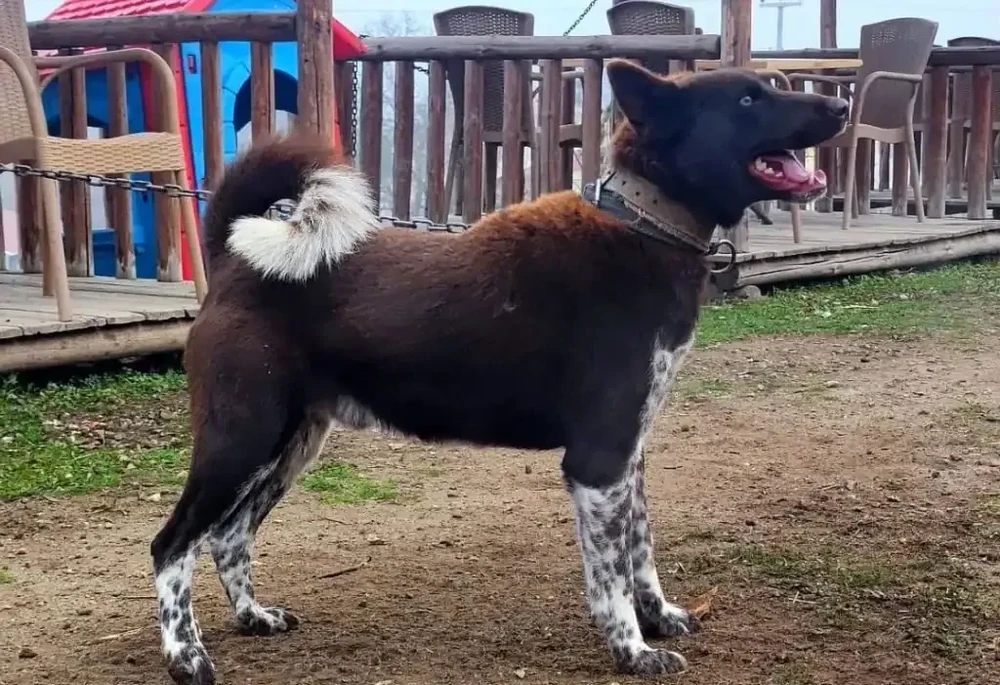
The most consistent thread in writing about Zerdava dogs is place. They are associated with the eastern Black Sea region, where steep slopes, dense vegetation, and colder seasons reward a dog that can keep moving and keep thinking. That is one reason the breed is often described as hardy, versatile, and capable in difficult conditions.1, 2
Rather than being developed for a single task, Zerdava-type dogs are commonly described as doing what many rural dogs do: a bit of everything. They may be expected to alert and guard, travel with people, and take part in hunting work when required.1
If you are trying to make sense of temperament, it helps to remember what “good behaviour” looks like in that setting. A dog that notices movement, investigates scent, and stands its ground can be valued in a rural context, but the same traits can be challenging in suburban life unless you plan for them.
Appearance and coat: what tends to be true
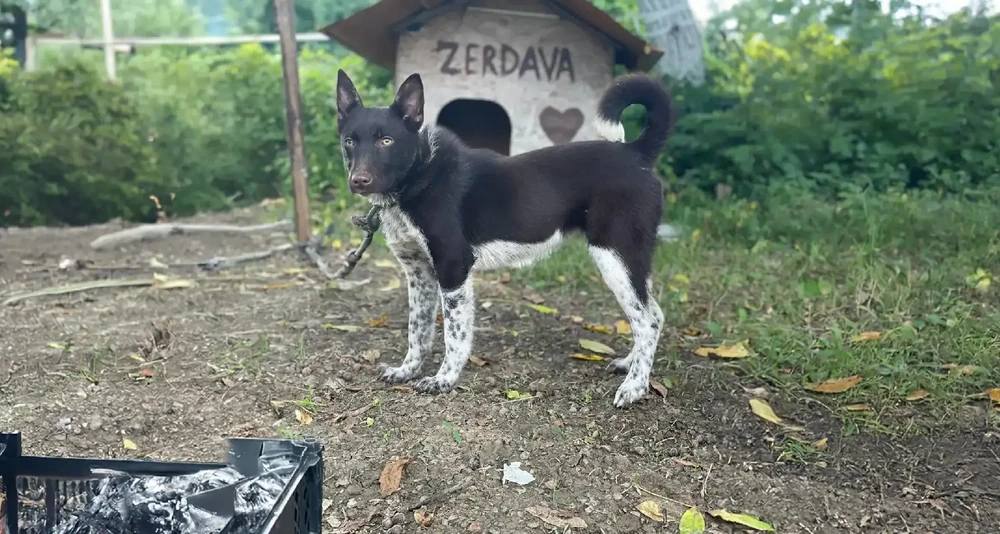
Descriptions vary, which is typical with regional breeds and landraces. Still, Zerdava dogs are commonly presented as medium-sized, athletic, and spitz-like, with pricked or semi-pricked ears and a tail carried up or curved. Coat descriptions often mention a double coat, which fits with a dog adapted to colder, wet conditions.1, 2
Colour is another area where the internet can get messy. Some simplified breed summaries list black, brown, and white as if anything goes. More detailed descriptions, including published observations in the region, often focus on liver-brown and liver-and-white patterns, sometimes with ticking or roaning.1, 2
If you are choosing a puppy or assessing a rescue, treat coat and colour as clues, not guarantees. Structure and behaviour will tell you more about suitability than a specific shade of brown.
Temperament in real homes: loyalty plus strong instincts
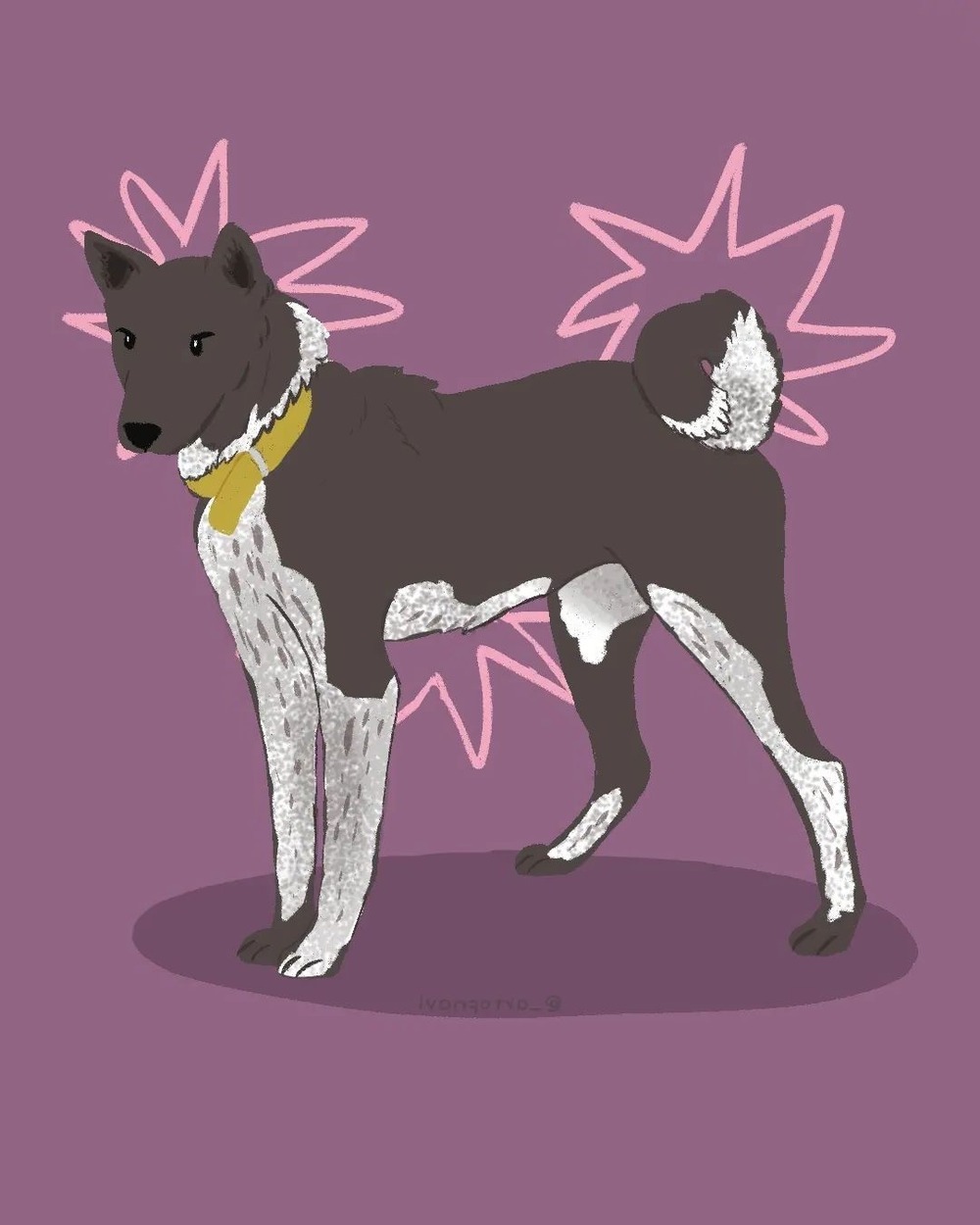
People tend to describe Zerdava dogs as intelligent, devoted to their own people, and naturally alert. Those traits often feel like “loyalty”, although it is usually more accurate to think of it as strong social attachment plus a habit of monitoring what is happening nearby.1
With visitors and unfamiliar dogs, outcomes depend heavily on early experience and ongoing management. A dog shaped by guarding and hunting work may be more likely to respond to novelty with watchfulness and quick movement, especially if it has not had calm, structured exposure to everyday life.
When Zerdavas do well with children, it is usually because the household has clear routines and adults are thoughtful about supervision, rest time, and teaching kids how to handle excitement around dogs. The aim is not to “toughen the dog up”, but to prevent the repeated small stresses that can build into reactivity over time.
Training approach that suits this kind of dog
A bright, independent dog often learns quickly, but not always in a straight line. If you push too hard, you may get resistance or avoidance. If you are consistent and generous with reinforcement, you are more likely to see steady progress and a dog that chooses to cooperate.
Reward-based training is widely supported by animal welfare and veterinary behaviour organisations, both for effectiveness and welfare. It also tends to be the least likely to create new problems in a dog that is already alert and environmentally focused.3, 4
Practical training priorities that suit many Zerdava-type dogs include:
- Recall and check-ins, taught first in low-distraction spaces, then gradually proofed4
- Loose-lead walking and settling, so daily exercise does not turn into daily conflict
- Comfort with handling (paws, ears, mouth), paired with food rewards for calm cooperation
- Controlled social exposure, aiming for neutrality rather than forced friendliness
Exercise and enrichment: more than “a long walk”
Many working-region dogs cope best when exercise includes a mental component. A repetitive circuit of the same streets can leave a clever dog under-stimulated, even if the step count is high.
Consider mixing movement with tasks that let the dog use its senses:
- Scatter-feeding in grass, sniff walks, and simple tracking games
- Short, frequent training sessions that end while the dog still wants more
- Tug and retrieve games with rules (start, stop, swap), which can build impulse control
In hot weather, plan exercise carefully. Dogs can overheat quickly, and a thick or double-coated dog may struggle more in heat than cold. RSPCA guidance emphasises walking in the cooler parts of the day and watching for signs of heat stress.5, 6
Health considerations and everyday care
There is not as much breed-specific veterinary data available for Zerdavas as there is for more widespread pedigree breeds. That does not mean problems do not exist. It means you should approach health with sensible fundamentals: lean body condition, age-appropriate exercise, and early conversations with your vet about joint and eye health.
Hip dysplasia is often mentioned in general breed write-ups for medium-to-large active dogs. Clinically, hip dysplasia involves joint laxity and can progress to arthritis, with signs such as stiffness, reluctance to jump, hind-end weakness, or changes in gait. Rapid growth and excess body weight can worsen joint stress, so keeping dogs lean is a practical prevention step.7
For feeding, aim for a complete and balanced diet matched to life stage and activity level, and ask your veterinary team for a quick nutritional assessment during routine visits. The WSAVA Global Nutrition Committee provides widely used guidance and tools for evidence-based nutrition decisions.8
Coat care is usually straightforward. A double coat often does well with occasional brushing to remove loose undercoat and to check skin condition, especially if the dog spends time in scrub or long grass.
Is a Zerdava a good fit for your life?
Fit is less about whether a breed is “good” and more about whether the dog’s instincts have somewhere sensible to go. A Zerdava-type dog can be a rewarding companion for an active person or family who enjoys training, outdoor time, and calm routine. It can also be a frustrating match for a household that wants an easy-going dog that copes happily with unpredictable visitors, busy dog parks, and long hours of boredom.
If you are considering one, it is worth asking yourself:
- Can you provide daily mental work, not just physical exercise?
- Do you have a plan for heat, wildlife, and off-lead risk?
- Are you comfortable managing barking or watchfulness without turning it into a battle?
When those pieces are in place, many owners find that an alert working dog becomes easier to live with, not because the dog changes personality, but because its needs are met in a way that makes sense to the dog.
References
- Wikipedia: Zerdava
- Sözüer, Töre Sivrioğlu et al. (2018), study referenced for Zerdava characteristics (PADS related publication listing on ScienceDirect)
- American Veterinary Society of Animal Behavior (AVSAB): Position Statements (Humane Dog Training)
- RSPCA Knowledgebase: Reward-based dog training and why the RSPCA supports it
- RSPCA Australia: Keeping your pet safe during the heat
- RSPCA Australia: Caring for animals over summer
- American College of Veterinary Surgeons (ACVS): Canine hip dysplasia overview (JPS page)
- WSAVA: Global Nutrition Committee